Senior Phase
Grade 8
Coffee Chats (‘Coffee Cat’ and ‘Coffee Plant’)
In this set of coffee-related texts, two stories are told, the first about a cat that wondered what coffee tastes like, and the second about a coffee seedling that travelled from Europe to a completely different part of the world (and stayed there). The two texts expose learners to two different styles of narration.
Order
Miss Helen’s Magical World
Helen Martins was an artist who made her imaginary world real. She lived an unconventional life, one that was not always easy. She had fears and limitations, and she had little support to overcome them. She thus had to make her own plans to cope with her problems. Some of these plans were very creative and beautiful – and visible to other people. It is on these plans that this story focuses.
Order
Petrus goes to Sea
This story is about a boy, Petrus, of about the same age as the learners for which this text is intended. It speaks to topical themes which will be familiar to many learners (e.g. financial hardship, unemployment, and alternative family structures) but it also shows Petrus’ bravery, sense of adventure, and willingness to grab opportunities that come his way.
Order
Ludwig Van Beethoven
The composer Ludwig van Beethoven is not only remembered for his musical genius, but sadly also for the troubled life that he led. His tumultuous personal life and hearing loss culminated in increasing antisocial behaviour and solitude – nevertheless, he produced music of the highest quality. Contrary to popular assumptions, Deaf people can also appreciate music and make music.
Order
Love (Handshape)
A handshape poem about love – not sentimental love, but love that remains standing as circumstances change. Handshape poems are sometimes seen as light entertainment (almost as rhymes are in spoken languages), but this poem demonstrates that serious themes can also be addressed in handshape poems.
Order
Soundlessness
The poem “Soundlessness” indicates that beauty is to be found in a soundless world. Although the dramatizer of the poem cannot hear the environmental sounds referred to in the poem, he finds beauty in his experience of the sources of these sounds.
Order
The Judge’s Decision
The poem is set in a courthouse and portrays three different accused men and their three different sets of expectations, emotions and reactions to the judge’s announcement. In each case, the public sitting behind the accused man have made up their minds and cast their verdicts before the judge does so.
Order
The Dating Game
This drama is set in a high school where various teenagers are dating or wanting to date various other teenagers, not always with pure intentions. In the drama, one of the main characters shares with her friend how and why she avoids the possibility of mistreatment that often follows when giving in to the norms and expectations of the crowd; she refuses to play “the dating game”.
Order
The Tattoo Parlour
In this drama, a man convinces his friend to get a tattoo as a symbol of his undying love for his girlfriend. The man treats the decision to get a tattoo as a light one and, predictably, things go wrong for the friend. The drama contains lively dialogue and a mixture of humour, drama, fact and fiction.
Order
Screen vs Paper (+Addendum)
A brief text reporting on a research study on children’s reading behaviour on screens. The report is contextualized in other observations about the topic. The text is followed by an addendum in which the advantages of reading are discussed.
Order
Usher Syndrome
The signed text is based on a blog which appears on the BBC News site. It deals with Usher Syndrome, a condition which affects hearing and sight. This topic was chosen in order to introduce Deaf learners to the challenges faced by this group of Deaf persons who also have other sensory challenges.
Order
“I Love Coffee”
The hearing reporter who compiled this text paid an unannounced visit to a coffee shop which employs only Deaf and Hard-of-Hearing people and makes use of a range of ways to enable communication between the Deaf employees and hearing clientele. This text is a report of her investigation into the workings of the coffee shop.
Order
Human Right’s Day
This speech on human rights was filmed during assembly at a hearing school on the day before Human Rights Day. The speaker is a Deaf man, using an interpreter. This accentuates the implication human rights have on each of us, regardless of our differences. Also, by giving the authoritative voice to a Deaf individual among the hearing, the aim is to strengthen Deaf identity among learners.
Order
Deaf Poet Publishes a Book
This Deaf, South African poet and author, Ismael Mansoor, writes because he wants to tell people who he is and how he sees the world. Some of his books have been published, he is writing more books, and he wants to encourage others to also follow their passion for writing.
Order
Outsider Artists in SA
A magazine contribution on two men who lived a life less ordinary, Outa Lappies and Nukain Mabuza. The report is factual, but with the emphasis on the unusual art created by these outsider artists who both lived in rural communities.
Order
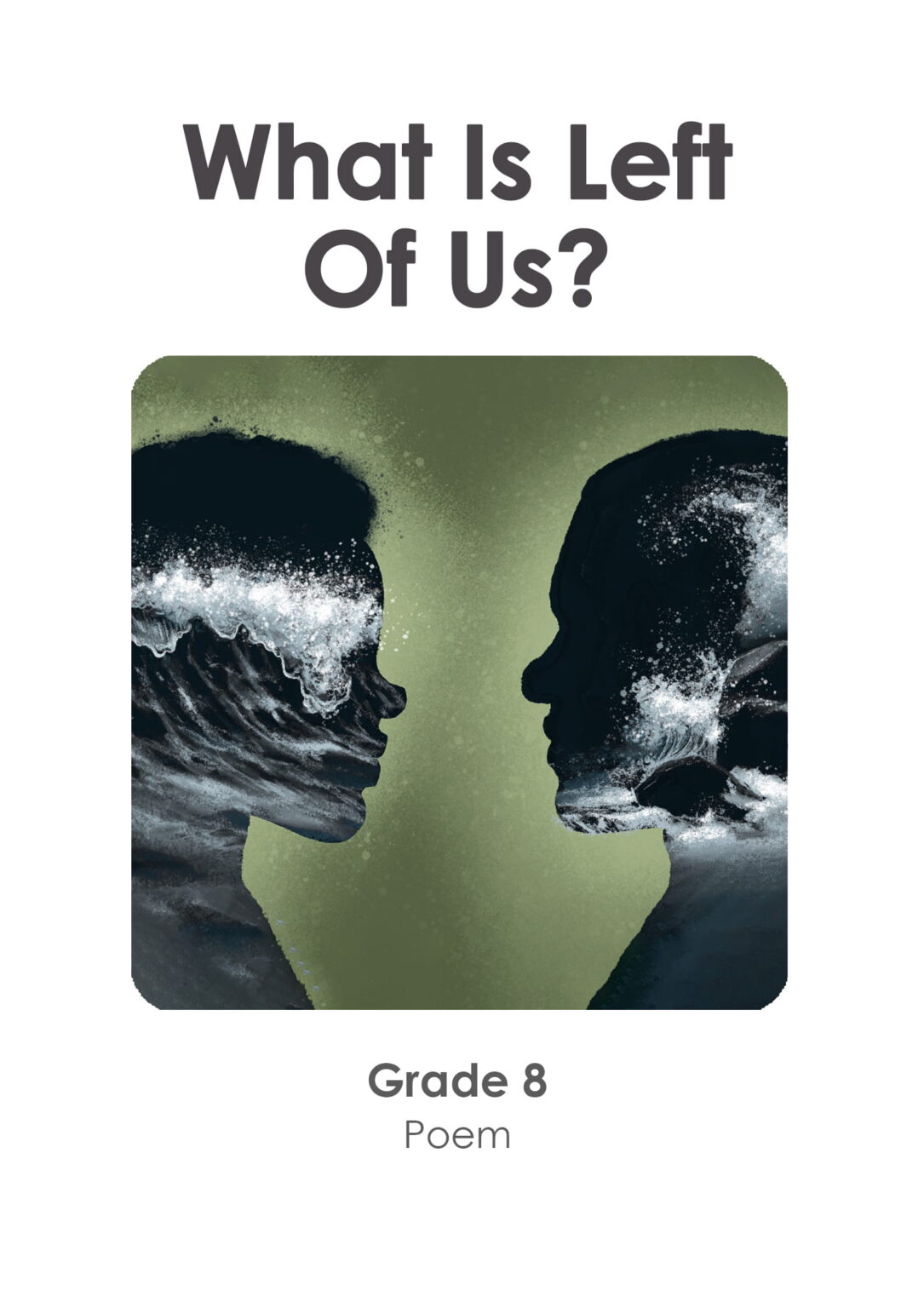
What is Left of Us?
This touching poem is about a beautiful relationship that is disintegrating and perhaps even ending. The poet uses powerful
metaphors to describe the relationship by referring to objects in nature.
Order
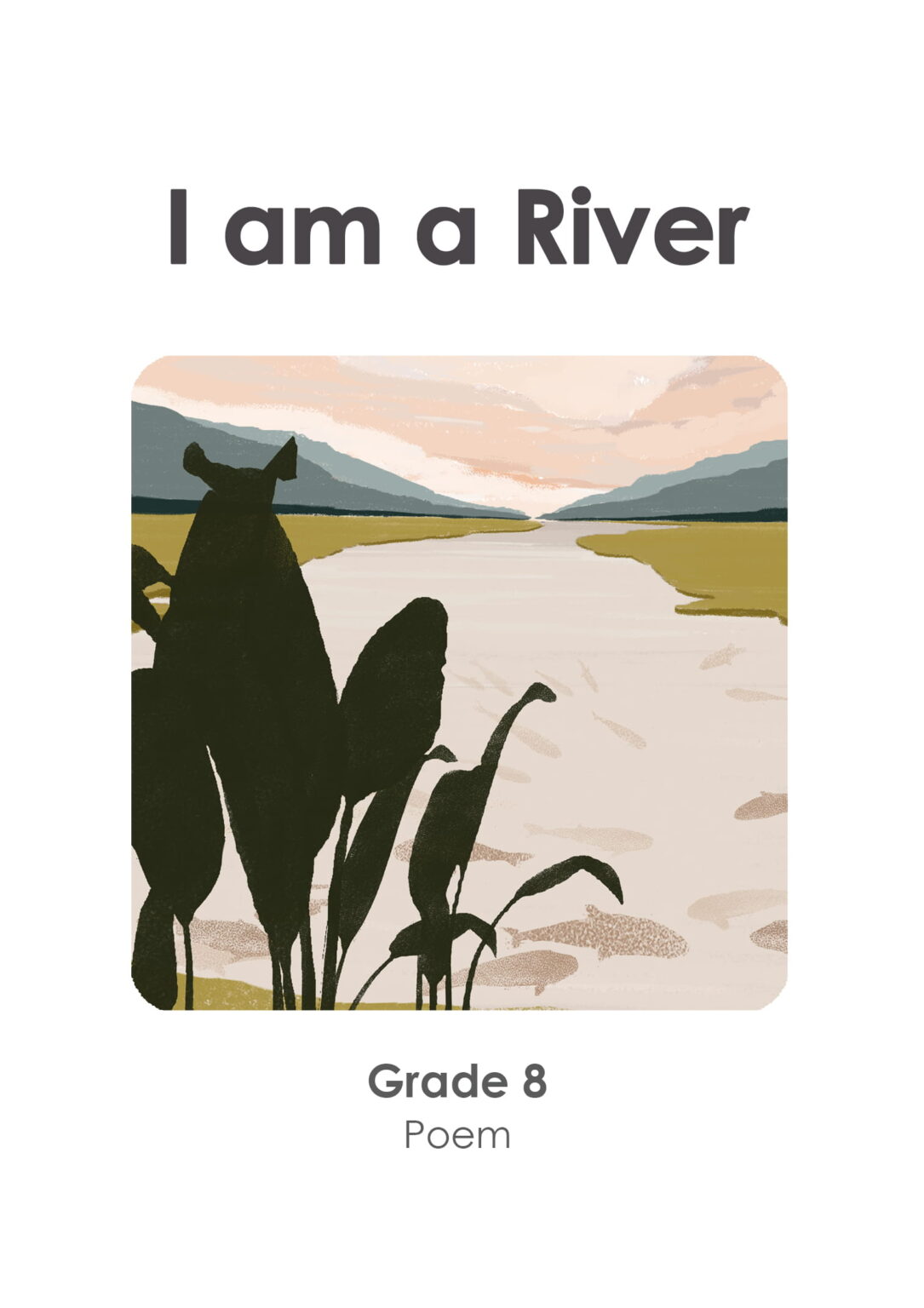
I am a River
This poem is about a river who wants to tell the viewer about himself. Repetition and rhythm are embedded in the poem, and the tempo of the dramatizing is slow, on purpose, to indicate the normal flow of the river.
Order
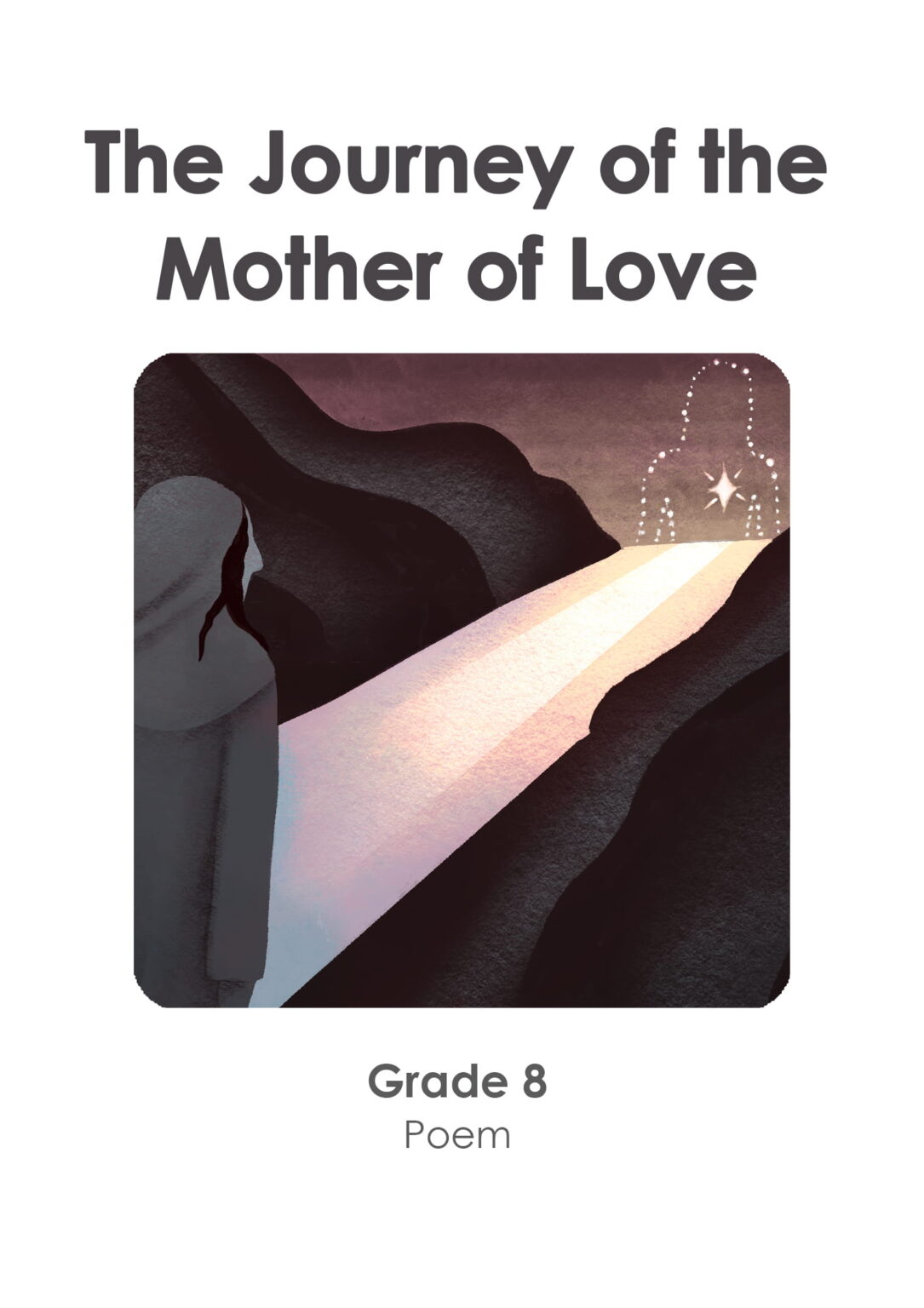
The Journey of the Mother of Love
In this poem, the signer describes the journey of life for a mother and her child. At first, they are one; then, they move through life side by
side. But the mother starts stepping into the background and encourages the child to go and explore the world… A touching poem
about a bond that not even death can sever.
Order
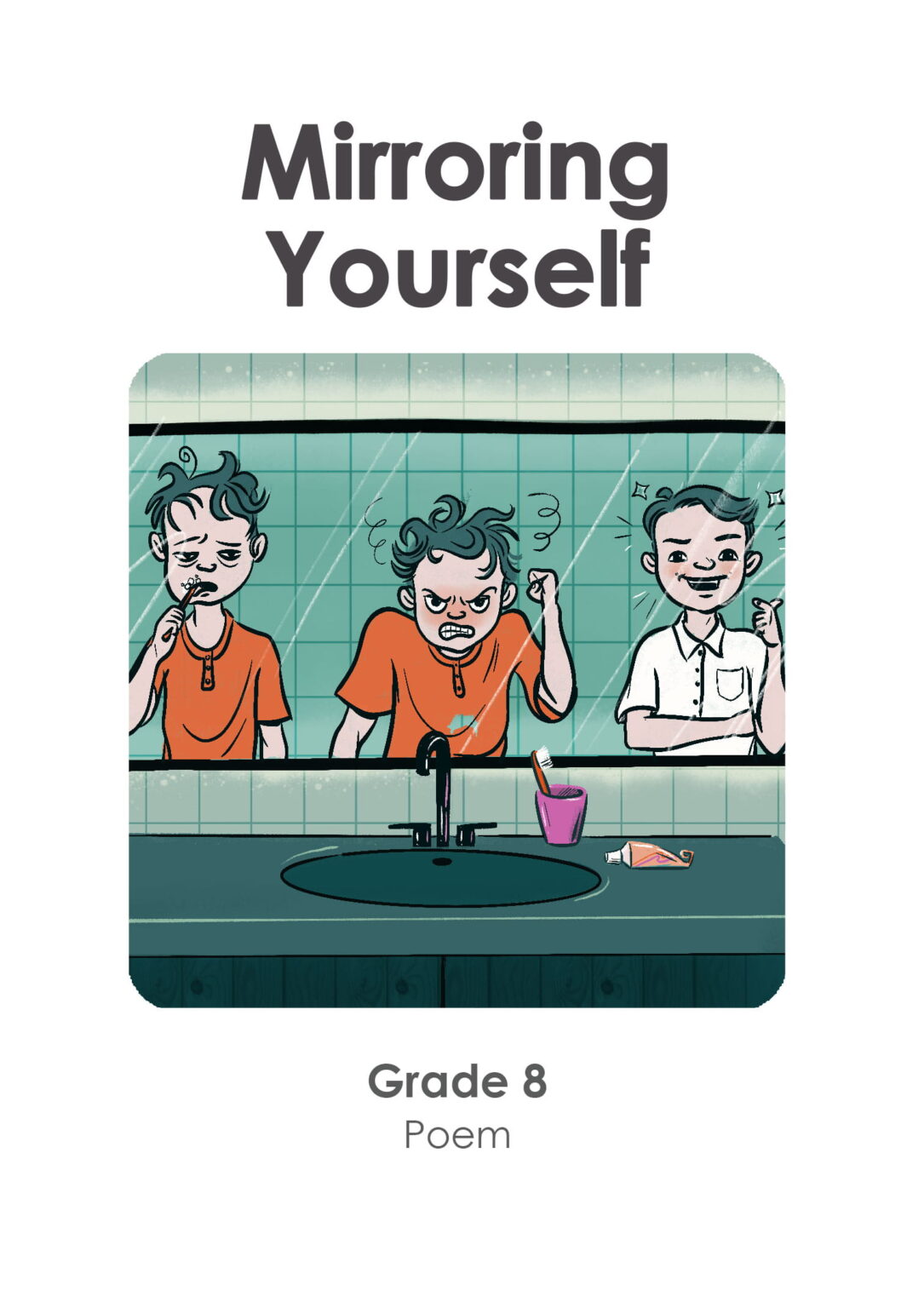
Mirroring Yourself
This poem was composed and performed by award-winning SASL poet Ismael Mansoor. The poem illustrates how our attitude affects our entire day, and how important that face in the mirror is, reflecting all your feelings right back at you…
Order
Look At Me!
SASL users know eye contact is crucial for communicating, but hearing people often communicate with each other without making any eye contact. In this drama, a young Deaf woman is lost but she cannot get anyone’s attention. A drama about how we all deserve to be seen.
Order
Organisations for the Deaf
This text provides information on different organisations for the Deaf: international, national and local. The aim is to inform Deaf learners of the types of organisations that are working for them, and which they can approach if they need assistance with or support in Deaf-related matters.
Order
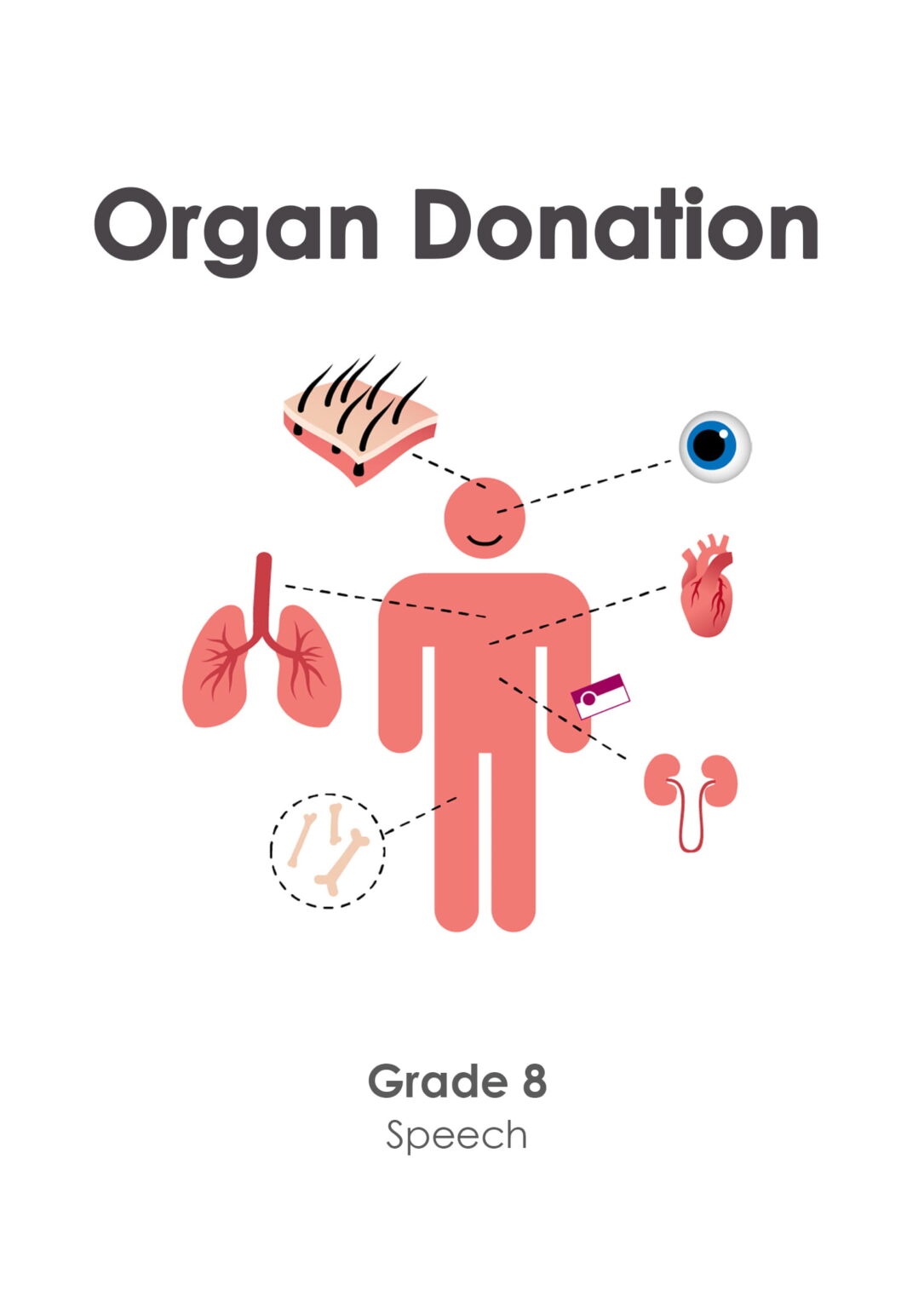
Organ Donation
Organ donation saves hundreds of lives each year, but it is a controversial topic, as some people are against this practice. In this speech, the author explains what organ donation involves, and why she believes that everyone should become an organ donor. She also notes, though, that this is a personal decision and that we should accept each other’s decisions.
Order
MDSA climb Kilimanjaro & Addendum (Facts about Kilimanjaro)
This magazine article is about MDSA contestants and winners who will be participating in an expedition to the top of Mount Kilimanjaro. It provides the learners with some information on two of the climbers, the foundations that they represent and the reasons why they are prepared to take on this dangerous challenge.
Order
Deaf DJs
This magazine article introduces learners to three DJs: DJ Nico DiMarco from the USA, and DJ Tappy and DJ Oath from South Africa. These DJs tell the viewer how they fell in love with music and kept on following their dreams despite prejudice and other challenges.
Order
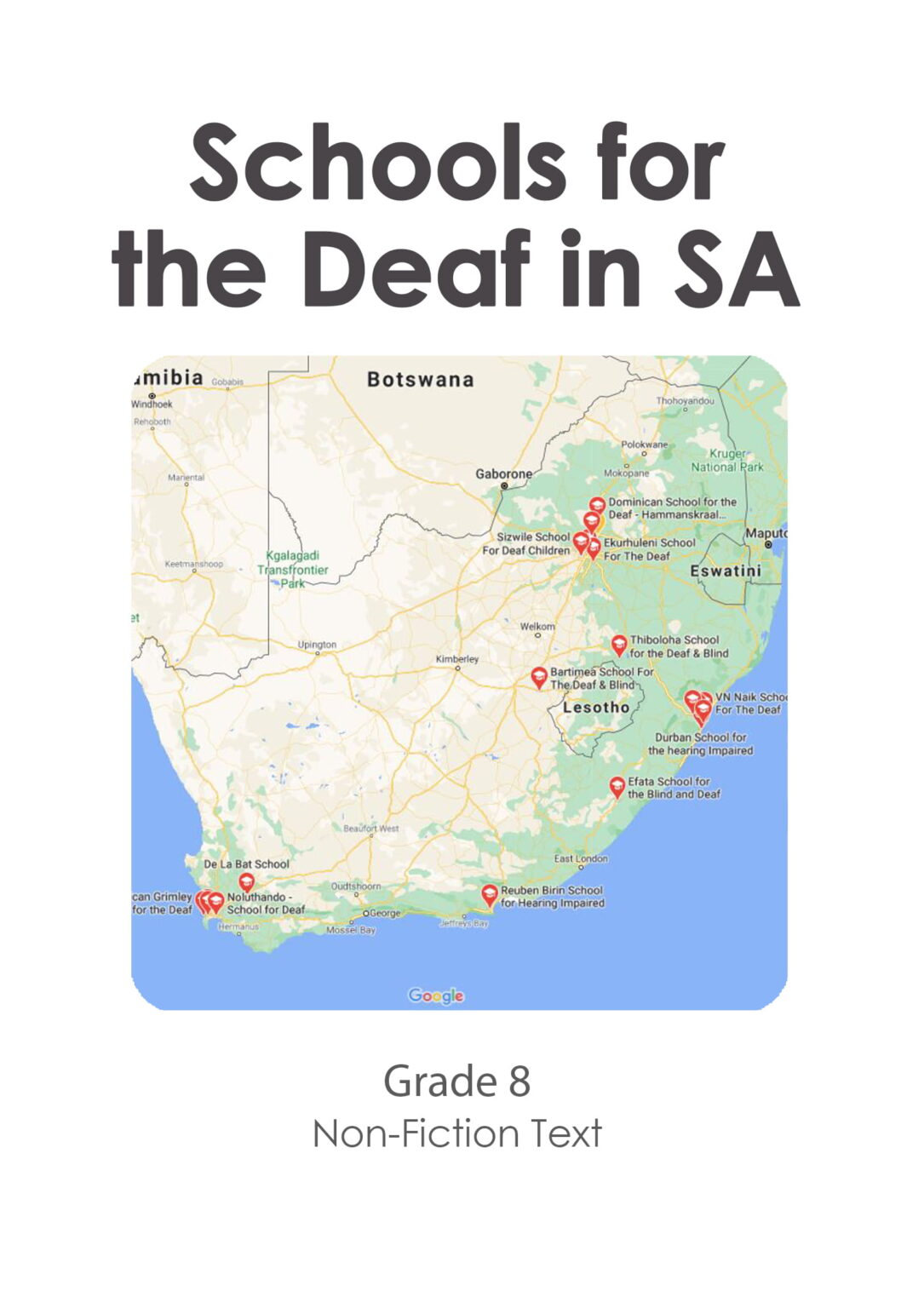
Deaf Schools in South Africa & (Addendum: Signs of schools for the Deaf in South Africa.)
This text contains factual information on the schools for the Deaf in South Africa, and their distribution across the country. Its aim is to make learners aware of the national Deaf school community and to broaden their horizons as regards education for the Deaf beyond that offered by their specific school.
Order
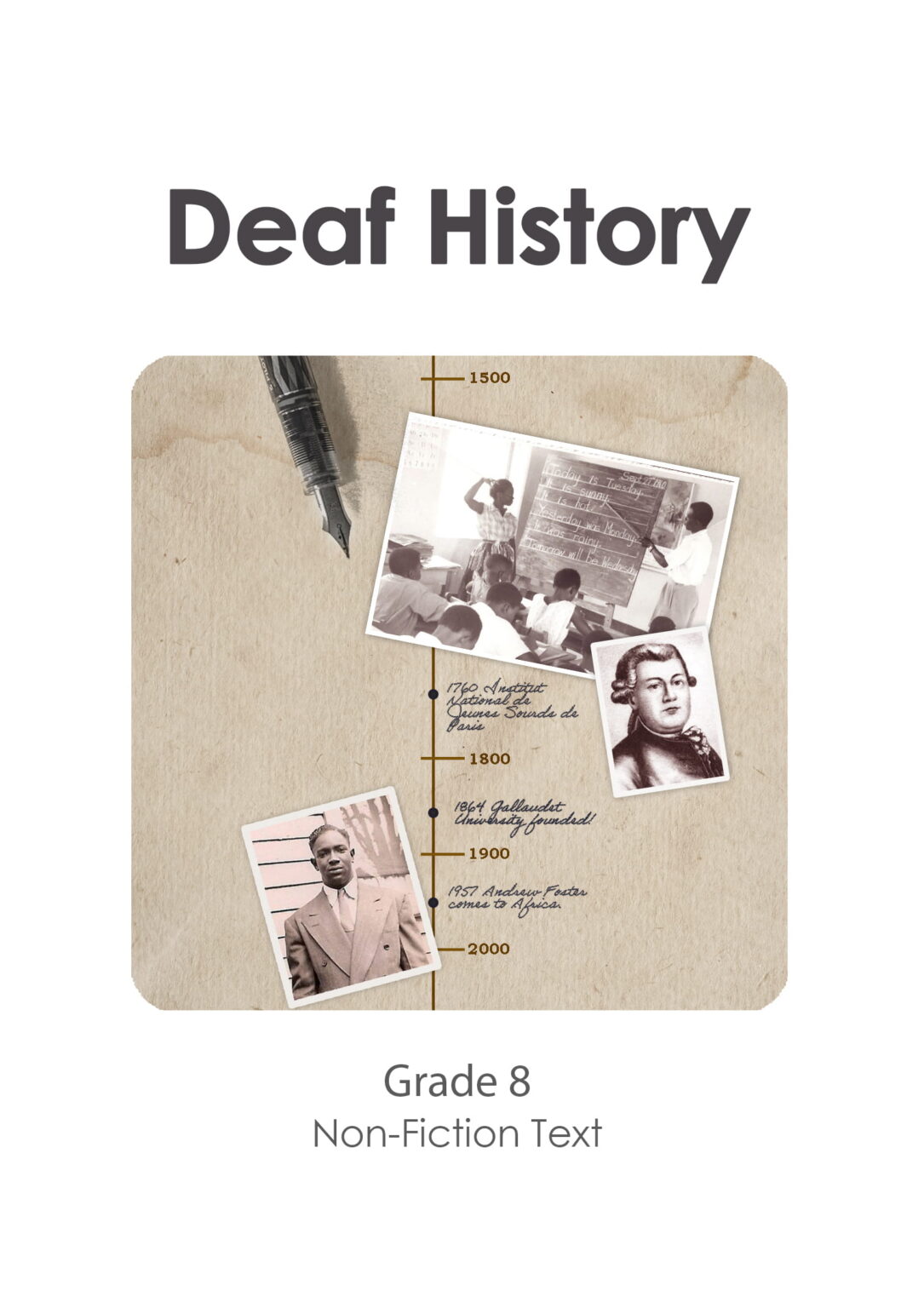
Deaf History & Addendum: Summary of the “Deaf History”
In this text, learners receive a brief overview of Deaf history - the experiences of Deaf people and the development of Deaf communities
and Deaf culture over time. The text refers to some of the most important people, events and debates in Deaf history, first in Europe and the United States, among others.
Order
Deaf Women Who Made a Difference (Part 1)
In this text we celebrate the achievements of Deaf women in South Africa, and globally, whose contribution to society should not go unnoticed. The hope is that these stories will invigorate our Deaf youth in South Africa, showing them what they may be capable of achieving.
Order